
Turkey’s 2025 Economic Performance: Export and Tourism Revenue Analysis
Turkey’s Finance Minister Mehmet Şimşek recently announced the country’s impressive export and tourism figures for 2025, highlighting significant progress toward sustainable current account balance targets. The data reveals a resilient Turkish economy navigating global uncertainties while maintaining structural improvements in external trade.
Export Performance Exceeds Expectations
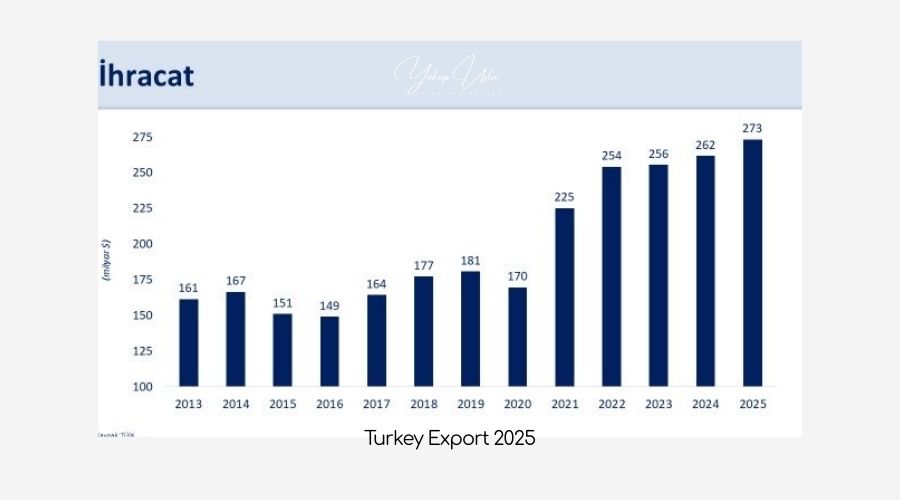
Turkey’s export sector demonstrated robust growth in 2025, with total exports reaching $273.4 billion, marking a 4.4% increase compared to the previous year. This achievement is particularly noteworthy given the challenging global trade environment and persistent uncertainties in international markets.
While imports increased partly due to rising gold prices, the trade deficit remained below the levels projected in the Medium-Term Program (MTP). This performance underscores the effectiveness of Turkey’s economic balancing strategies and demonstrates the government’s commitment to maintaining fiscal discipline.
Tourism Revenue Surpasses $65 Billion Milestone
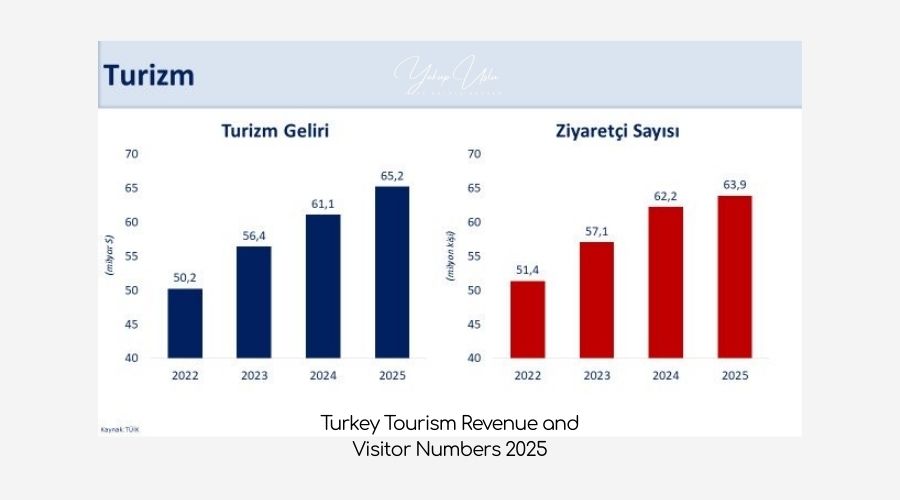
The tourism sector emerged as a standout performer in 2025, with Turkey welcoming 63.9 million visitors throughout the year. Tourism revenues grew by 6.8%, reaching $65.2 billion and exceeding MTP targets.
A particularly significant achievement was the increase in average spending per tourist, which surpassed $1,000 for the first time. This milestone reflects the success of Turkey’s diversification strategy, which focuses on:
- Extending tourism across all four seasons
- Developing alternative tourism segments beyond traditional sun-and-sea offerings
- Enhancing service quality and visitor experience
- Promoting cultural, gastronomy, and health tourism
Strategic Focus on Current Account Balance
Minister Şimşek emphasised that Turkey’s strong position in service trade, particularly tourism, helps mitigate the impact of global goods trade uncertainties on the country’s external balance. The government’s approach combines immediate performance gains with long-term structural reforms.
Future Economic Priorities
Looking ahead, the Turkish government has outlined clear priorities to sustain the structural improvements in the current account balance:
High Value-Added Production: Active industrial policies will continue supporting sectors that produce high value-added goods, reducing dependency on imported intermediate products and enhancing export competitiveness.
Renewable Energy Investment: Priority will be given to investments that increase domestic and renewable energy capacity, addressing one of Turkey’s largest import items and contributing to both economic sustainability and climate goals.
These strategic priorities reflect Turkey’s commitment to transforming its economic structure while maintaining growth momentum and external balance stability.



Join The Discussion